Why AcClima Amazonia?
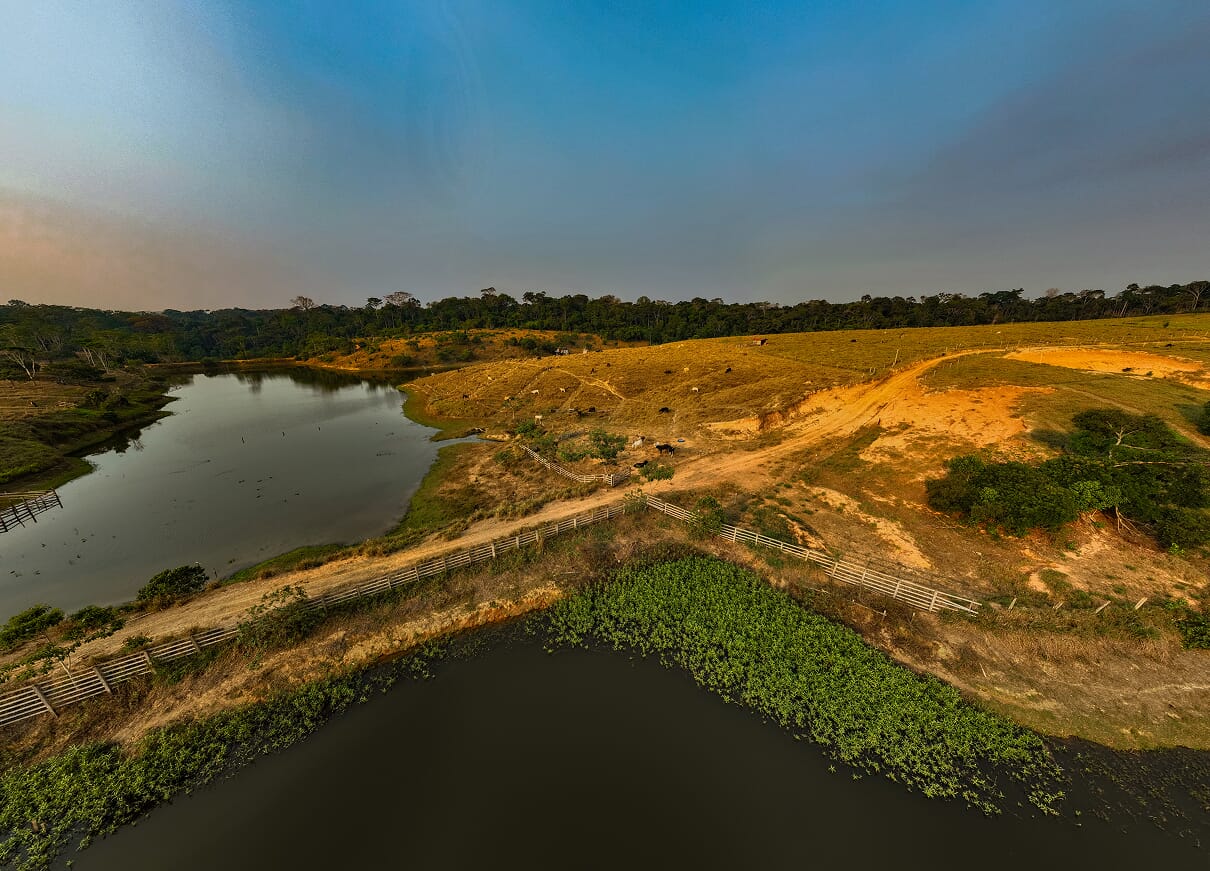
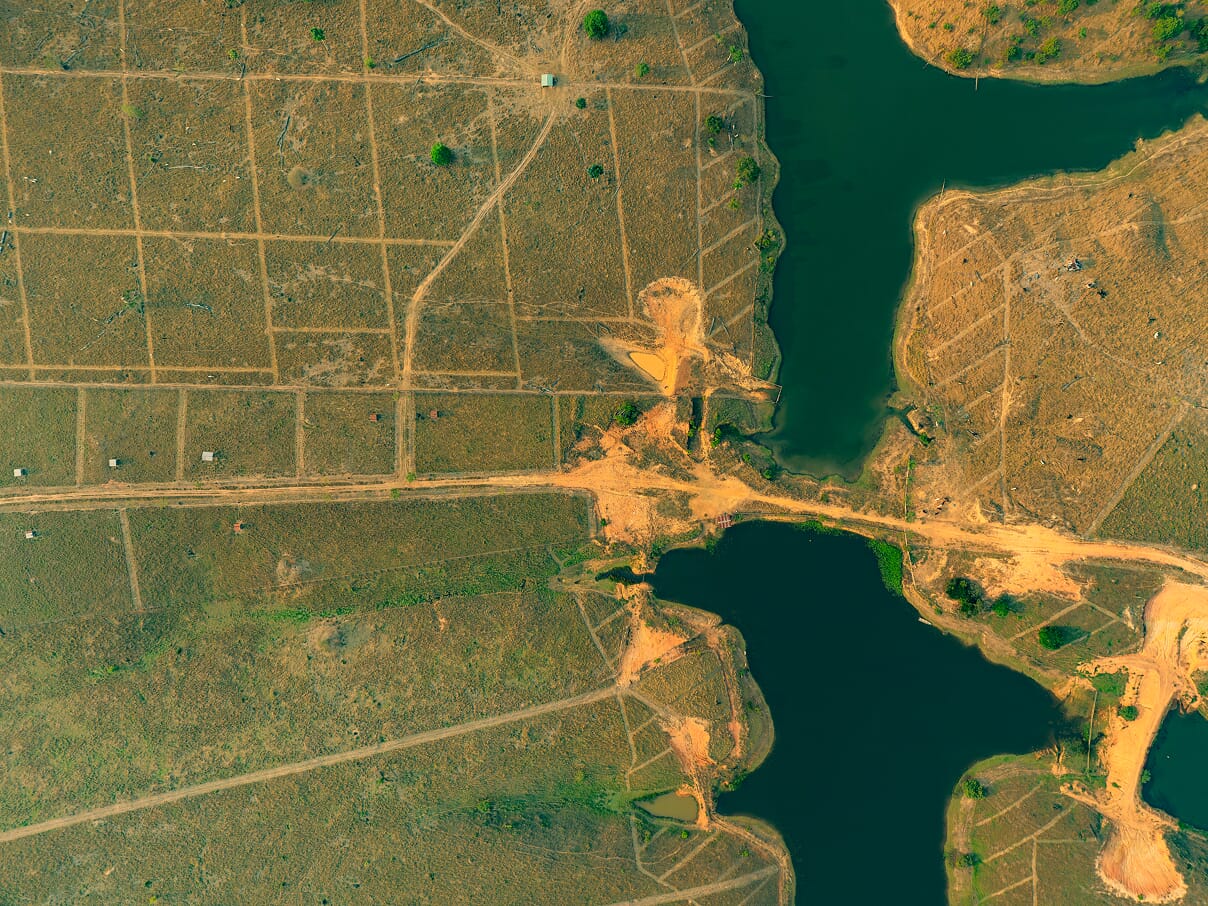
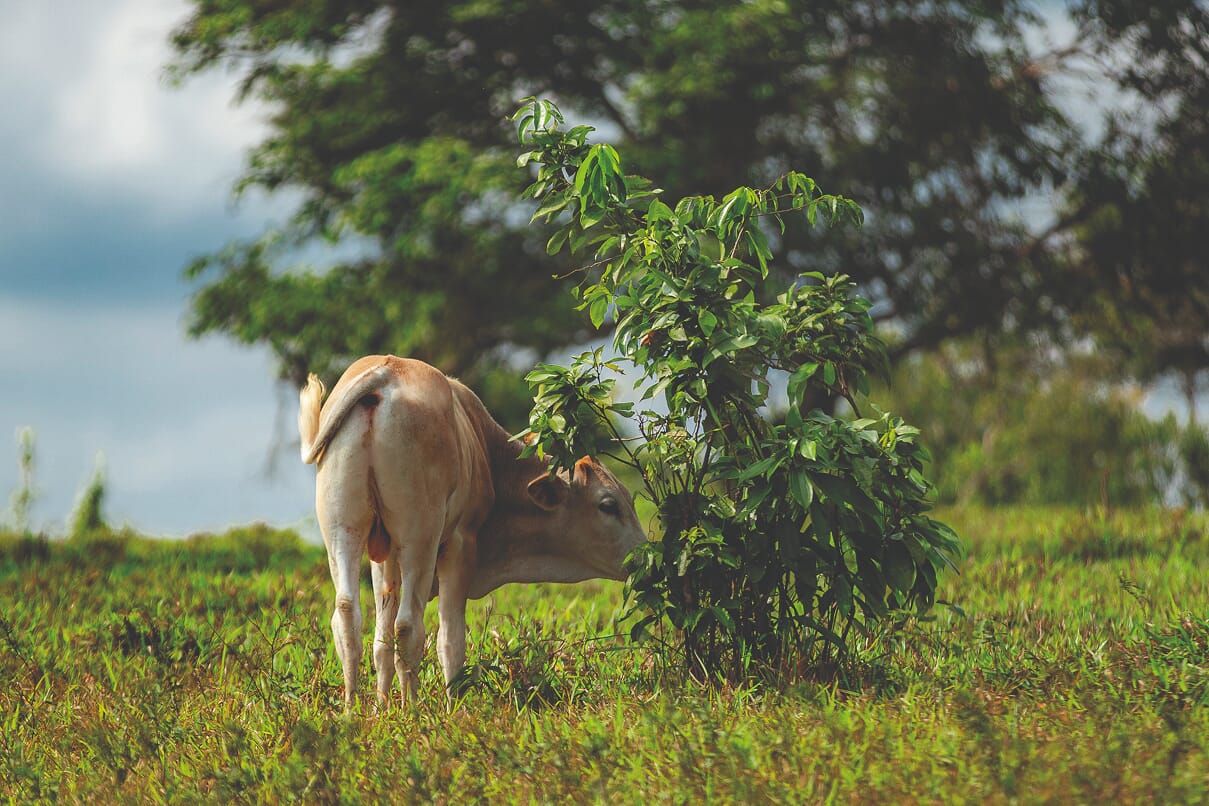
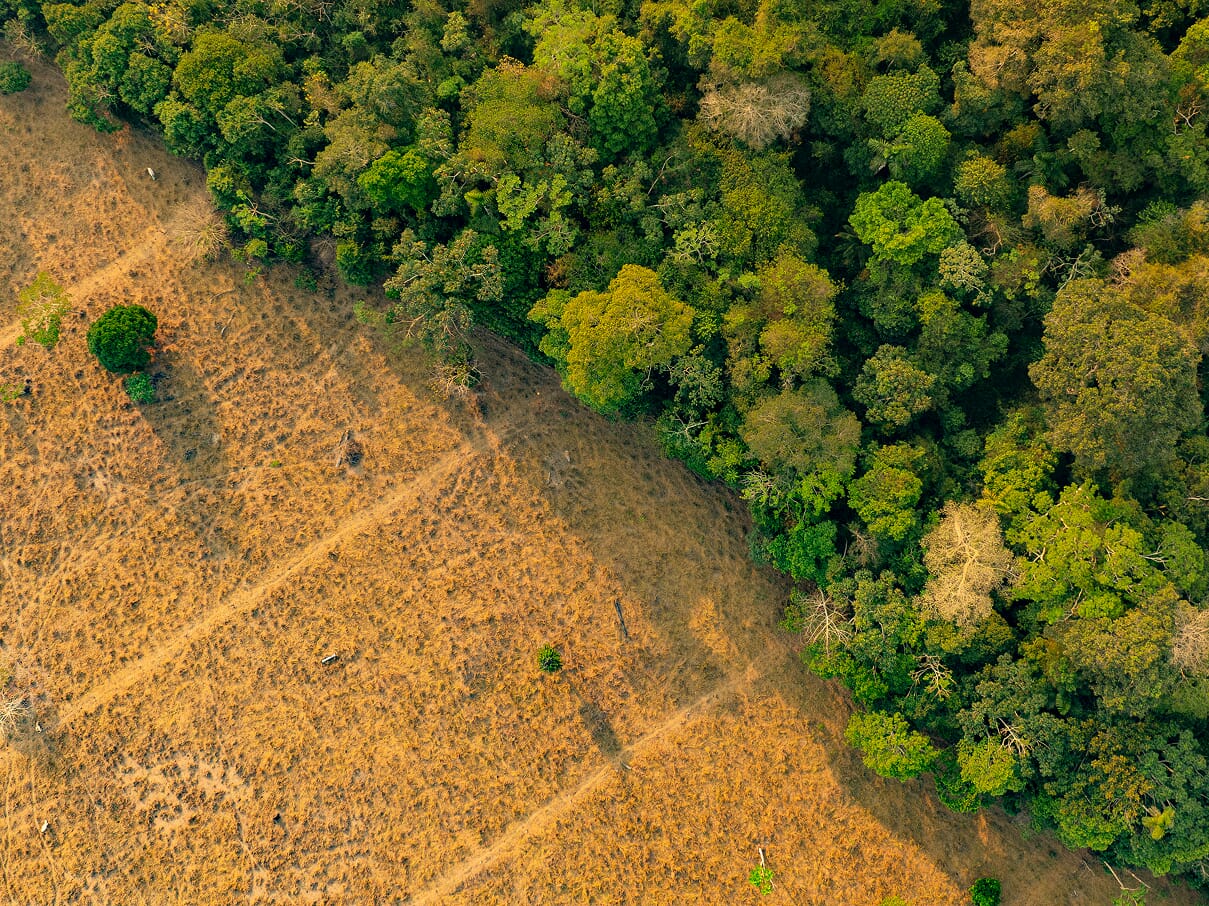
Pasture degradation associated with cattle farming is the primary driver of deforestation in the Amazon.
The current grazing model results in soil compaction, reduces grass yield and forces cattle operations to expand outward to maintain the same revenue.
To reverse this, the project works closely with the cattle farmers to implement three interrelated activities:
- Sustainable intensification of cattle farming (Rotational Silvopasture)
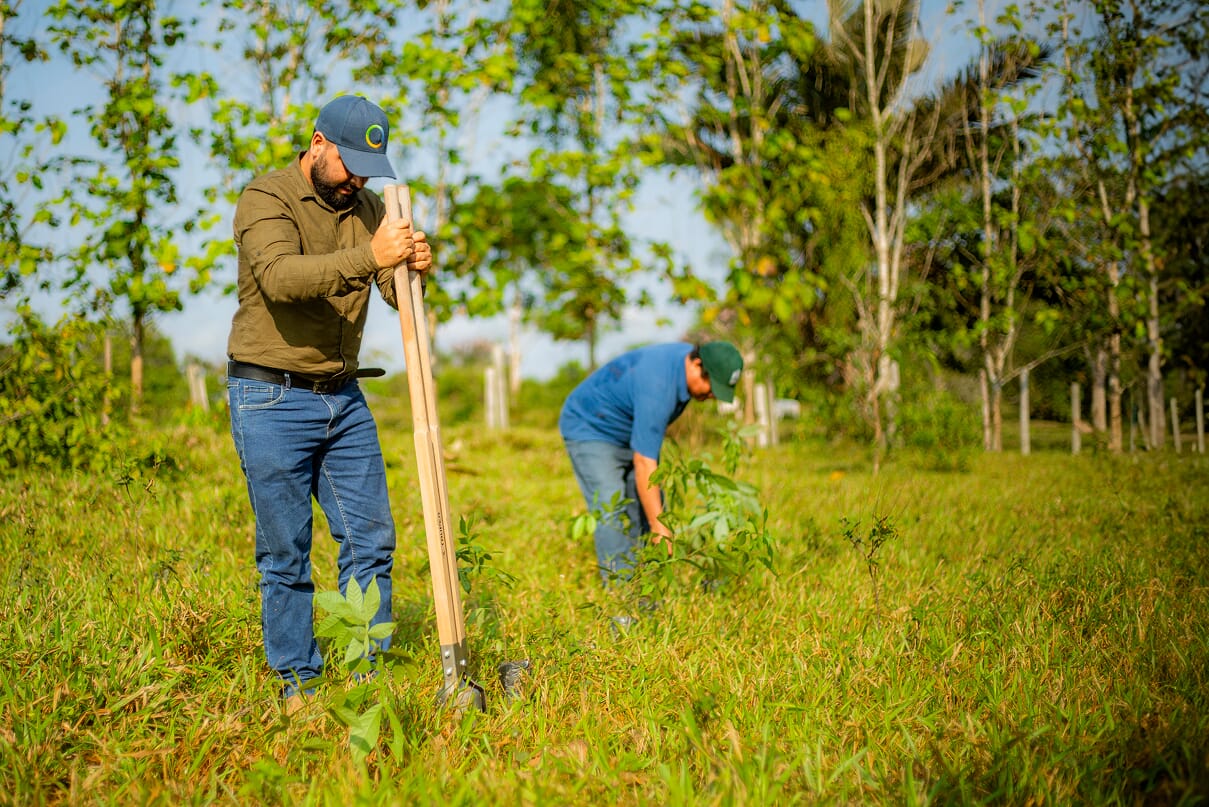
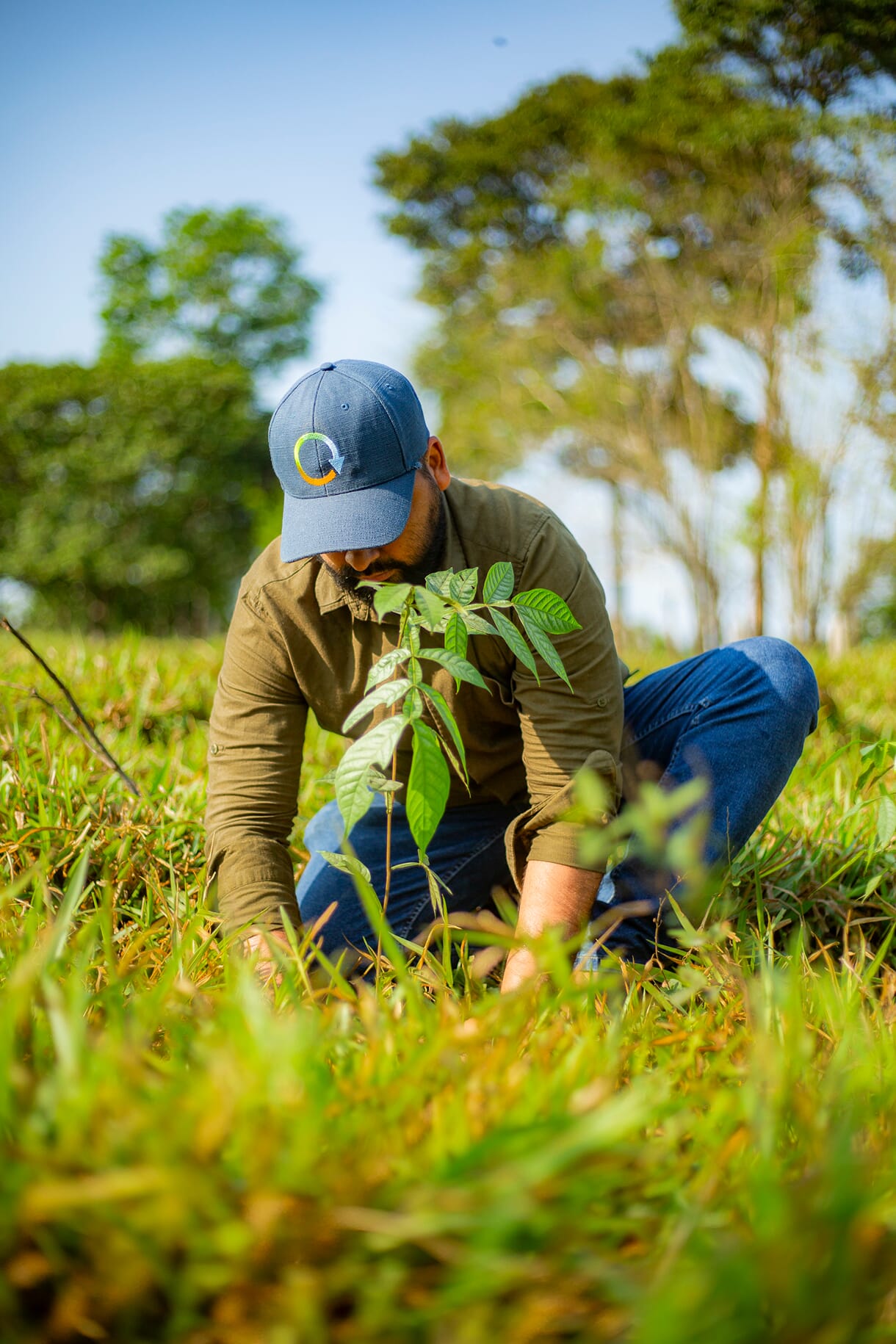
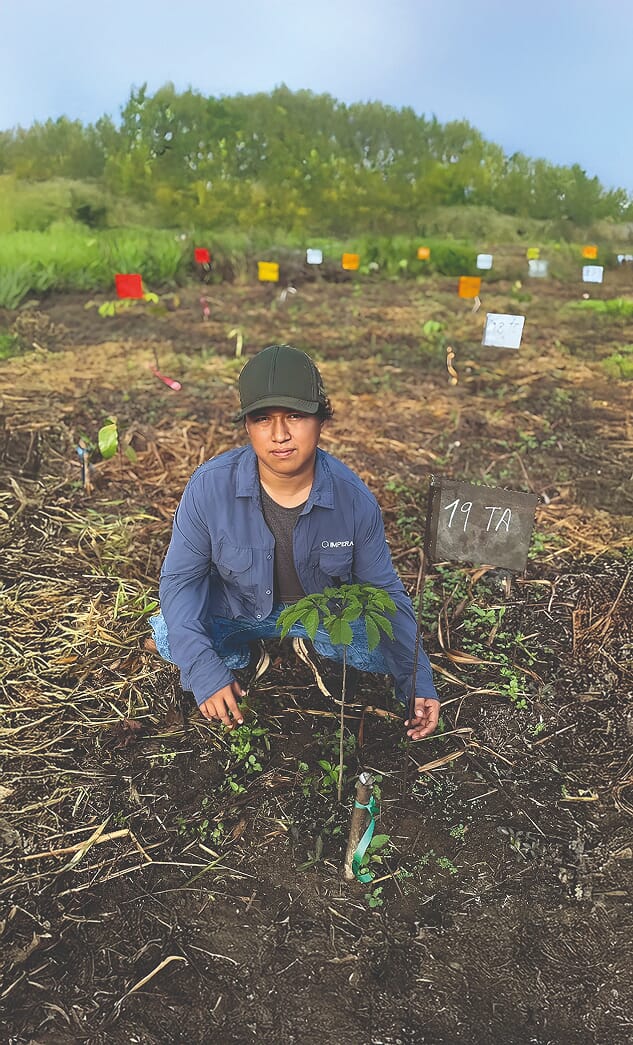
- Native species rainforest reforestation on degraded land, freed up through sustainable intensification.
- Remnant forest protection
This provides a means for improved, sustainable livelihoods for the farmers, native ecosystem restoration, biodiversity conservation and restoration, and other broad-ranging community and climate benefits.
Project Details
- The Standard: Afforestation, Reforestation, and Revegetation (ARR) under Verra’s VM0047 methodology and targeting Climate, Community, and Biodiversity (CCB) certification.
- Scale: Phase 1 is 10,500 hectares, expanding over subsequent phases to more than 100,000+ hectares within the Peruvian Amazon.
- Execution Model: Imperative Peru S.A. is the project developer and operator. We work closely with landowners, government, universities, and local associations to ensure we incorporate the best scientific knowledge and maintain alignment with all of the key project stakeholders.
- Project Nursery: The project is designing and building a dedicated plant nursery ~5 hectares and capable of holding more than 6 million seedlings of native Amazonian species at a time. As in Imperative’s South Africa project, this state-of-the-art nursery will employ advanced sustainable rooting technology, from Ellepot, to ensure seedlings are healthy and resilient as they leave to go into the field.
Imperative’s Differentiation
Imperative brings a differentiated approach to the execution of the project with a focus on 3 primary execution limbs:
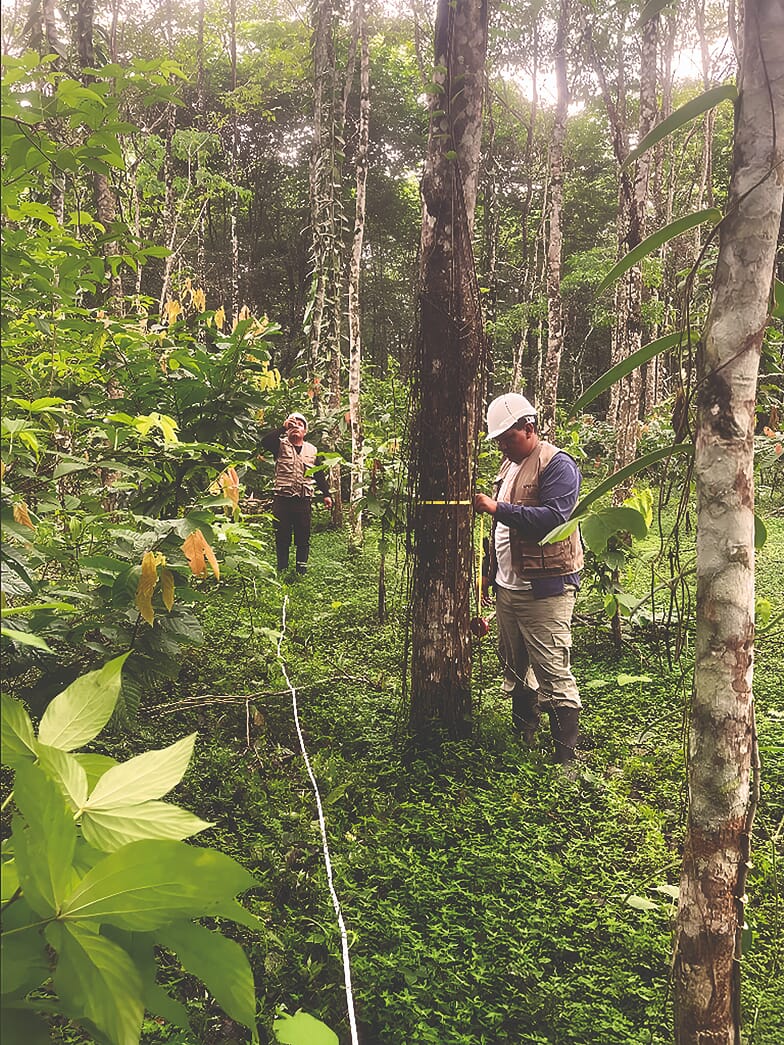
- Scientific Basis: From species selection to carbon modelling, the project is designed and executed on a bedrock of ecological principles and incorporates the input of the leading universities and top-tier applied ecology and carbon modelling experts.
- Major Projects Execution Approach: Imperative delivers nature based projects at scale to an infrastructure grade of quality, and this capability unpins the execution of the project; from robust design and planning, through predictable project execution and into high quality asset management.
- Technology Stack: Imperative is utilising its proven and proprietary Project Tech Stack (PTS) to deliver an integrated, efficient, and future-proofed project. This includes paperless, near-real-time project management data and differentiated transparency in our digital MRV activities.
Imperative
Imperative is committed to Peru for the long term. The project is executed by Imperative Peru S.A., a subsidiary of Imperative Global Solutions Pte Ltd, a multi-jurisdictional ecosystem restoration company headquartered in Singapore. The organisation has significant experience in developing reforestation and carbon projects and leverages its differentiated major projects approach and a composite set of expertise and know-how to deliver high-quality projects at massive scale.